Sustainability is becoming a major focus across the fitness, leisure and property sectors, with operators increasingly looking at how to create more efficient, environmentally responsible facilities. From recycled gym equipment and sustainable gym flooring to reducing energy consumption, businesses are under growing pressure to improve both operational performance and environmental impact.
For developers, landlords and commercial operators, sustainable gym design is no longer a “nice to have” – it is an important part of long-term asset value, occupier expectations and wider environmental, social and governance (ESG) commitments.
At motive8 refurb, sustainability is embedded throughout the refurbishment and recycling process, helping clients create future-proof fitness spaces that balance aesthetics, functionality and environmental responsibility.
The growing demand for sustainable gyms
The role of fitness spaces has changed significantly in recent years. Modern gym environments are expected to deliver more than equipment alone – they are increasingly designed as wellbeing-focused spaces that support resident experience, workplace wellness and long-term user engagement. Now, sustainability is becoming a major factor in the design and procurement process resulting in commercial gyms, residential developments and workplace operators looking closer at:
- Energy consumption
- Equipment lifecycle management
- Sustainable gym flooring options
- Recycling and refurbishment opportunities
- Long-term maintenance and replacement costs
Rather than frequent strip-outs and short-term fit-outs, many operators are prioritising flexible, durable spaces that can evolve over time with minimal waste and disruption.
How to make a commercial gym more sustainable
Creating a sustainable gym involves much more than reducing plastic use or installing low-energy lighting. It requires a full lifecycle approach to design, equipment and operational efficiency:
1. Reuse and recycle gym equipment where possible
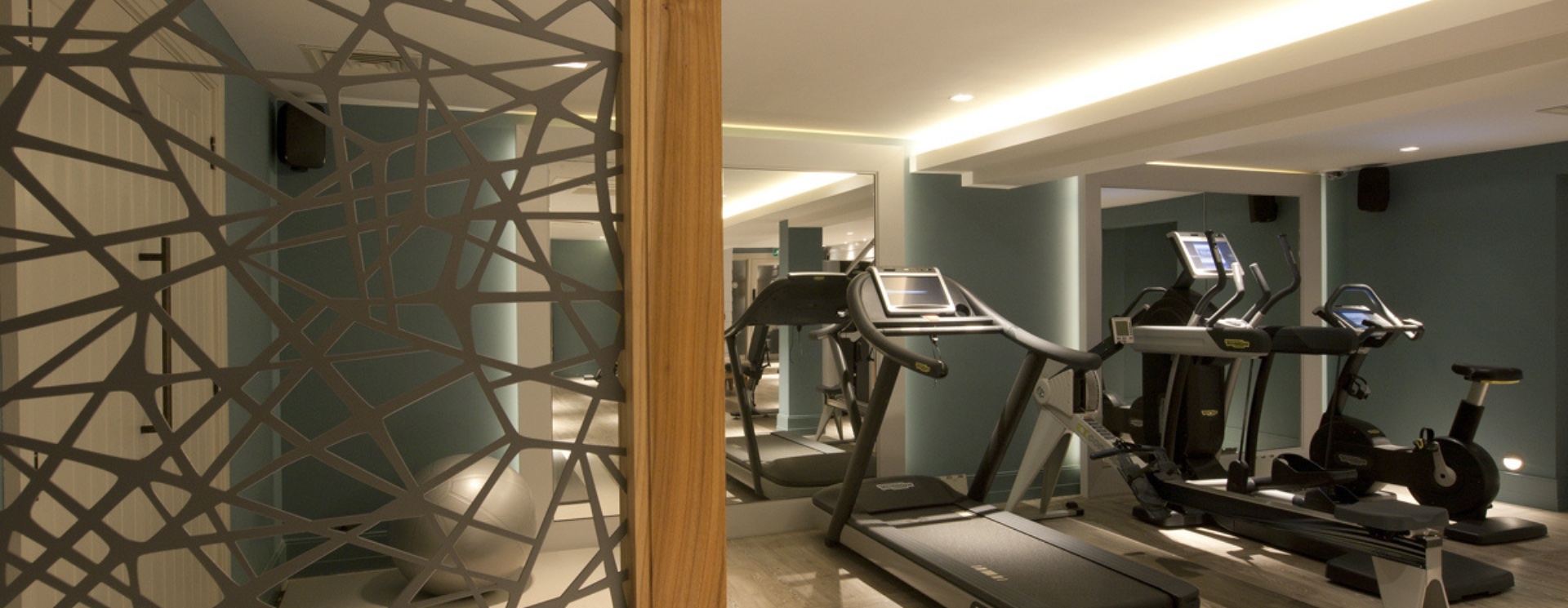
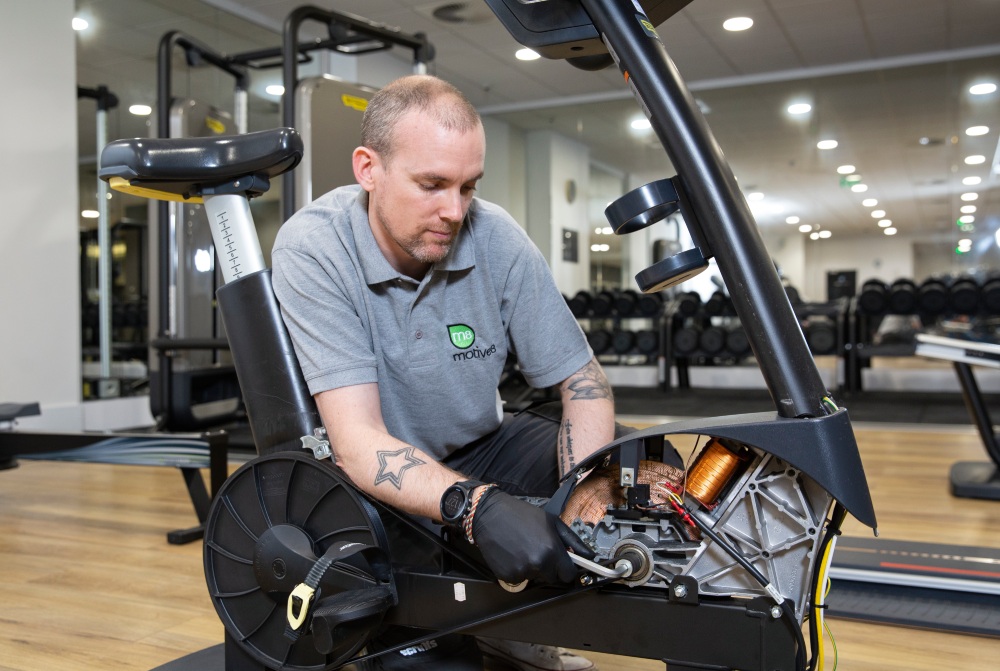
One of the biggest opportunities to reduce environmental impact is through gym equipment recycling and refurbishment. Instead of automatically replacing older equipment, operators can assess whether assets can be refurbished, repurposed, reupholstered or redeployed across multiple sites to significantly reduce waste while extending the lifespan of valuable fitness equipment.
At motive8, existing equipment is evaluated early in the design process to identify opportunities for reuse before replacement is considered. Refurbished and recycled gym equipment can often be integrated seamlessly into modern spaces while still delivering a premium user experience. This approach helps:
- Reduce landfill waste
- Lower procurement costs
- Minimise embodied carbon emissions
- Support sustainability reporting and ESG targets
With growing interest around recycled gym equipment and gym equipment recycling, more operators are recognising that refurbishment can deliver both environmental and commercial benefits.
2. Sustainable gym flooring options
Gym flooring is another area where sustainability can make a measurable impact. Many operators are now exploring more sustainable gym flooring solutions, with growing interest in recyclable, durable materials such as rubber. Benefits include:
- Reduced material waste
- Improved durability
- Lower replacement frequency
- Better acoustic performance
- Long-term maintenance savings
Sustainable flooring solutions can also contribute to wider environmental certifications and sustainability targets for commercial developments and residential schemes. Importantly, sustainable gym flooring no longer means compromising on aesthetics – modern recycled flooring products are available in a wide range of finishes and designs, allowing operators to create premium-looking fitness spaces while reducing environmental impact.
3. Designing energy-efficient gym spaces
Energy usage is becoming an increasingly important challenge for gym operators, particularly as rising utility costs continue to affect commercial facilities across the UK. Design decisions can have a major impact on operational efficiency so long-term energy consumption and key considerations should include:
- Energy-efficient lighting systems
- Smart zoning and layout planning
- Ventilation efficiency
- Durable materials with longer replacement cycles
- Equipment positioning to optimise user flow and space utilisation
Smarter design can help operators reduce unnecessary energy use while improving the overall user experience. As more businesses search for ways to save money on gym business energy bills, sustainable design is becoming both an environmental and financial priority.
Balancing sustainability, aesthetics and user experience
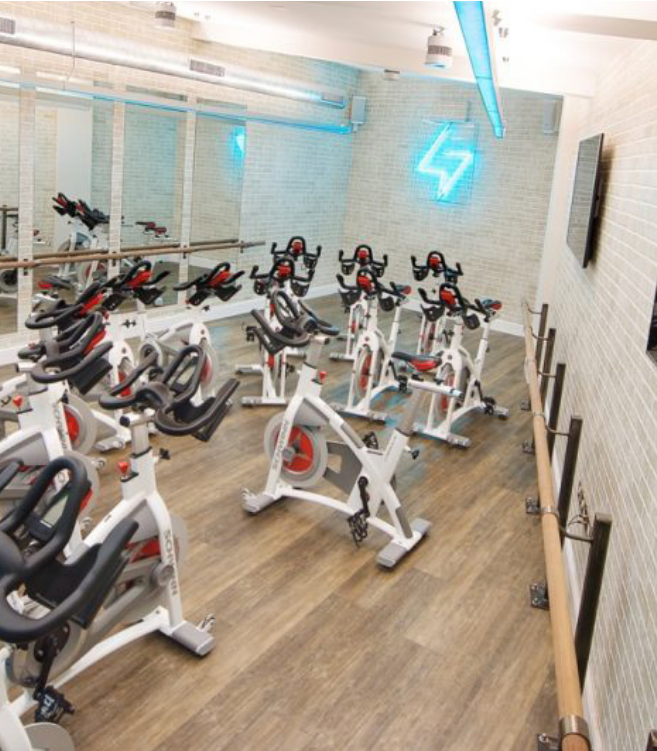
One of the biggest misconceptions around sustainable gym design is that environmentally conscious spaces cannot feel premium or high-end however in reality, many sustainable design decisions improve functionality and user experience. Thoughtful zoning, efficient layouts and adaptable equipment planning can create spaces that:
- Feel more spacious and organised
- Improve user flow
- Reduce overcrowding
- Enhance operational efficiency
- Extend the lifespan of equipment and finishes
Technology is also helping operators plan smarter gym environments utilising data and long-term lifecycle planning to reduce waste and unnecessary future refurbishment. The result is a more resilient, efficient fitness environment that supports both operational performance and sustainability goals.
Long-term value for operators and developers
Sustainable gym design delivers long-term benefits far beyond environmental impact alone. For commercial operators, residential developers and workplace environments, sustainable decisions can help:
- Reduce replacement and maintenance costs
- Improve asset longevity
- Support ESG and sustainability reporting
- Enhance occupier and resident satisfaction
- Improve operational efficiency over time
As sustainability expectations continue to grow across the property and leisure sectors, operators are increasingly expected to demonstrate measurable action around recycling, energy reduction and responsible procurement.
The future of sustainable fitness spaces
The future of gym design is moving towards a more circular, energy-conscious and adaptable approach and our industry trends are likely to include:
- Increased use of recycled gym equipment
- Greater adoption of sustainable gym flooring
- More refurbishment and reuse programmes
- Smarter energy management systems
- Flexible gym layouts designed for long-term adaptability
At motive8, sustainability is becoming an integral part of how fitness spaces are designed, refurbished and maintained. By combining our refurbishment expertise, recycling initiatives and future-focused design thinking, motive8 helps clients create commercial gyms and wellness environments that are both environmentally responsible and operationally effective.
For more information on motive8 rental and refurb, contact our sales team on 020 8481 9700, email rentalandrefurb@m8group.co.uk or visit Refurbished Gym Equipment UK – M8 Refurb